
I’ve been working with HVAC systems for over a decade now, and I still get surprised by how many people don’t really understand what their air filter is actually doing. Sure, everyone knows it’s there to “clean the air,” but that’s kind of like saying a car engine is there to “make the car go.” There’s so much more happening under the hood.
When I started out in this field, I thought air filters were pretty straightforward. Boy, was I wrong. The main functions of an air filter are more complex and interconnected than most people realize. Let me break down what’s happening in that seemingly simple piece of equipment in your HVAC system.
The Primary Function: Particle Filtration and Air Cleaning
This is the big one – the function everyone thinks about first. Honestly, it should be because particle filtration is where air filters really earn their keep.
Your air filter constantly works to remove particles from the air circulating through your system. We’re talking about dust, pollen, pet dander, lint, and all sorts of microscopic debris that you can’t even see floating around your home. The main functions here involve trapping these particles before they can circulate back into your living space or, and this is crucial – before they can damage your HVAC equipment.
Here’s something interesting I learned early on different filters handle different particle sizes. The cheap fiberglass filters? They’re mainly catching the big stuff – dust bunnies, obvious debris, things you can actually see. But the higher-end pleated filters, HEPA filters, and those fancy electrostatic ones – they’re going after particles so small you’d need a microscope to spot them.
I remember one customer who complained that their expensive filter “wasn’t working” because they could still see dust on their furniture. Had to explain that furniture dust and airborne particles are different beasts entirely. The filter was doing its job perfectly; it just wasn’t designed to dust their coffee table for them!
The particle filtration process works through several mechanisms. There’s interception, where particles get too close to filter fibers and stick. Impact, where larger particles smash directly into the fibers. And diffusion – this one’s wild – where tiny particles move erratically and eventually wander into a fiber by accident.
System Protection: Keeping Your Equipment Running Smoothly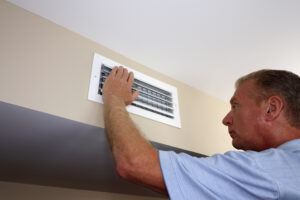
Now here’s where things get interesting, and frankly, where most homeowners miss the boat completely. One of the main functions of your air filter isn’t just about the air you breathe – it’s about protecting the expensive equipment that moves that air around in the first place.
Your HVAC system is basically a giant air-moving machine with some pretty delicate components. The blower motor, the evaporator coils, the heat exchanger – all of these parts can get seriously damaged by dust and debris. And let me tell you from experience, replacing a blower motor costs a lot more than changing your air filter regularly.
I’ve seen systems where the homeowner never changed the filter, and the evaporator coils looked like they were covered in a thick gray blanket. That’s not insulation – that’s years of accumulated dust and debris that should have been caught by a functioning filter. When coils get clogged like that, the whole system has to work harder, efficiency plummets, and components start failing prematurely.
The main functions related to system protection include preventing debris from accumulating on heat transfer surfaces, keeping air pathways clear, and maintaining proper airflow throughout the system. Think of it like the oil filter in your car – it’s not just about clean oil, it’s about keeping the engine from seizing up.
There’s also the ductwork to consider. Clean air filters help prevent dust from settling in your ducts, which can become a breeding ground for all sorts of nasty stuff. Plus, clean ducts mean better airflow, which means your system doesn’t have to work as hard to heat or cool your home.
Indoor Air Quality Enhancement: The Health Factor
This third function is where air filters really shine, though it’s probably the most misunderstood of the main functions. Indoor air quality isn’t just about removing visible dust – it’s about creating a healthier environment and purifying the air for you and your family.
Modern homes are built to be energy-efficient, which means they’re also really good at trapping air inside. That’s great for your utility bills, not so great when that trapped air is full of allergens, bacteria, and other microscopic nastiness. A good air filter acts as a continuous cleaning system, constantly scrubbing contaminants out of your indoor air.
I’ve worked with families dealing with severe allergies, and let me tell you, the right air filter can make a dramatic difference. One customer switched from basic fiberglass filters to high-efficiency pleated ones, and within a month, her son’s asthma symptoms had significantly improved. That’s the power of proper air filtration.
The main functions here involve removing allergens like pollen and pet dander, capturing bacteria and some viruses, reducing odor-causing particles, and maintaining consistent air quality throughout your home. Some advanced filters even tackle volatile organic compounds (VOCs) – those chemical vapors that come from cleaning products, paint, furniture, and other household items.
But here’s the thing – and this is important – not all filters are created equal when it comes to indoor air quality. The MERV rating system helps you understand what you’re getting, but even that can be confusing. MERV 8 filters handle basic allergens pretty well, while MERV 11-13 filters are better for serious allergy sufferers.
Why Understanding These Main Functions Matters
Look, I get it. Air filters seem like a minor detail in the grand scheme of home maintenance. But understanding these main functions can save you money, protect your health, and extend the life of your HVAC system.
The particle filtration function keeps your air cleaner and your system running efficiently. The equipment protection function prevents costly repairs and extends system life. The indoor air quality function creates a healthier living environment for your family.
These main functions work together, too. You can’t really separate them – they’re all happening simultaneously every time your system runs. When one function suffers, the others do too.
I always tell my customers, choose your filter based on what you need most, but understand that you’re getting all three functions regardless. If allergies are your main concern, invest in higher-efficiency filtration. If system protection is your priority, make sure you’re changing filters regularly. If you want the best overall air quality, consider upgrading to a whole-house air purification system.
The Bottom Line
The three main functions of an air filter – particle filtration, system protection, and indoor air quality enhancement – are all critical to a healthy, efficient home environment. Don’t just think of your air filter as a dust catcher; it’s a multifunctional component that’s working 24/7 to keep your air clean, your system running, and your family healthy.
And please, for the love of all that’s holy, change your filters regularly. All the main functions in the world won’t help if your filter is clogged beyond recognition. Trust me on this one – I’ve seen too many preventable problems that started with a forgotten filter change.