Preparing Your Home for an AC Installation
Installing a new air conditioner sounds straightforward. You picture a crew arriving, swapping out equipment, and leaving behind a cool, humming system. Done by lunch. But talk to anyone who’s been through a chaotic installation day, with equipment blocking the hallway, a frantic dog, a technician waiting on access to a locked utility closet and you’ll hear a different story pretty quickly.
Here’s the thing, most of that chaos is avoidable.
If you take a few hours to prepare your home before the crew arrives, you can turn installation day from a stress marathon into something that actually goes smoothly.
Clear the Work Zones First
Start simple. Walk through the areas where the crew will work near your indoor air handler, around the outdoor condenser, any hallways connecting them, and look at what’s in the way.
Boxes, bikes, shelves, old furniture. Move it.
Technicians carry tools, refrigerant lines, and sometimes bulky equipment through tight spaces. Every obstacle slows them down and raises the chance something gets knocked over or scratched. When you prepare your home by clearing even a few extra feet around the work zones, you’re basically giving the crew a gift.
The outdoor area matters just as much. Overgrown shrubs crowding the condenser pad, leftover yard debris, and stacked lawn furniture trim it back, clear it out. Poor clearance around the outdoor unit hurts airflow and makes maintenance harder for years down the road, not just today.
Know Where Your Electrical Panel Is
Make access easy. Move whatever’s in front of it. The installer may need to shut off power temporarily, inspect existing circuits, or recommend updates if your home is older. Older panels sometimes weren’t designed to handle the energy demands of modern AC equipment. Finding that out before summer hits? Smart. Finding it out during a 100-degree July heatwave? Not fun.
Open Up Attic and Crawl Space Access
This one surprises people every time.
HVAC systems often connect through attic ductwork or crawl spaces, and technicians need a clear path to get there. If your attic hatch is buried under Christmas decorations and three folding tables, you’ll want to deal with that before anyone shows up.
When you prepare your home ahead of time, you might also discover things you didn’t know about, such as a slow leak, a pest situation, or loose flooring near the access point. Better to find those now than to have a technician stumble across them mid-job.
Protect What Matters to You
Installation day involves movement. Ladders, tools, heavy equipment coming through the front door. Things can shift, bump, or fall if they’re close to the action.
Move fragile items away from the work zones. Family photos, decorative items, anything that would hurt to lose. If your hallway has rugs that could become tripping hazards, roll them up. Lay down protective coverings on floors if you’re worried about dirt or scuffs.
Do Something About Pets and Kids
Installation day is genuinely stressful for animals. Doors opening and closing repeatedly, unfamiliar voices, loud equipment, strangers moving through their space. Dogs especially can spiral fast.
Set up a quiet room for pets before anyone arrives. Make sure it’s somewhere they feel comfortable and can’t bolt through an open door. If your dog is a runner, take that seriously. A technician holding heavy equipment can’t stop a determined lab mid-escape.
Kids are a different kind of challenge. They’re curious, which is great in most situations, but HVAC tools and open electrical panels aren’t really exploration territory. Keep young children occupied elsewhere during the installation.
Block Off Your Schedule
Most residential AC installations run between four and eight hours. Bigger systems, electrical updates, or ductwork modifications can push that longer.
Plan accordingly. Don’t book back-to-back video calls or client meetings during that window. Power may cycle off briefly. The work will be noisy at times. If you work from home, treat installation day like a field day. Plan your meals ahead, step outside when you need quiet, and stay available for questions without hovering over the crew every ten minutes. Nobody loves that.
One smart move, schedule your installation during a mild-weather week if you can. A few hours without AC is no big deal in April. It’s a different story in August.
Your Trusted Next-Door Neighbor for 65 Years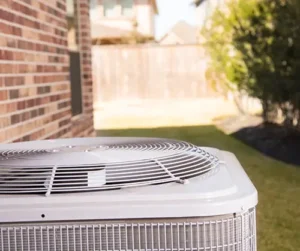
A smooth installation starts long before the crew unloads equipment. The homeowners who get the best results are usually the ones who took a few hours the day before to clear access points, put the dog somewhere comfortable, and write down their questions. It’s not complicated it’s just preparation.
We’ve seen it make the difference between a clean four-hour job and a long, stressful day that feels like controlled chaos. And frankly, your technicians appreciate walking into a home that’s ready for them.
FAQ
How long does AC installation usually take?
Most residential installations take between four and eight hours. Ductwork changes, electrical upgrades, or larger system configurations can stretch the timeline, so ask your installer for an estimate specific to your home.
Do I need to prepare my outdoor space?
Absolutely. Clear debris, trim back any plants crowding the condenser area, and make sure the crew has open space to work safely around the unit.
Can installers reuse my old ductwork?
Sometimes. Older ducts may need repairs, sealing, or modifications to work efficiently with a new system. A quick inspection before or during installation helps determine whether your current setup is still solid.
What should I do with pets during installation?
Put them in a separate room with food, water, and something familiar. Keep the door secured. Installation activity noise, strangers, constantly opening doors can make even calm animals anxious and unpredictable.
A new ac system is a serious investment, and how you prepare your home before installation day directly affects how well that investment pays off. Clear the access points. Protect your valuables. Keep the pets comfortable. Show up with your questions written down.
Small steps. Big difference.