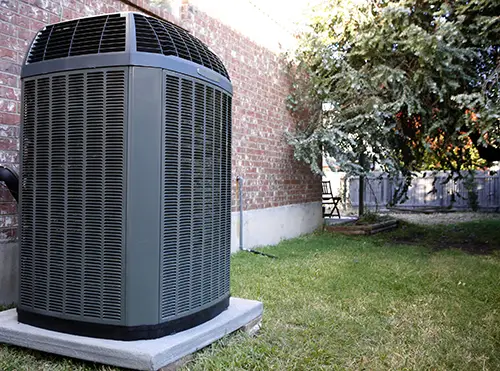
 Reliable AC Installation In Grand Prairie
Is your Grand Prairie home still hot and stuffy by mid-afternoon, even with the AC running at full blast? Plenty of homeowners here deal with the same thing, and the fix is usually straightforward once you know what to look for.
Here’s something worth knowing about AC installation in Grand Prairie, TX. A properly installed system can cut your cooling costs by up to 30 percent compared to a poorly set-up unit. That savings shows up on your utility bill every single month.
Poor installation is often the hidden culprit.
This guide covers the clear warning signs that it’s time for a new unit, the system types that work best for different homes, and why having certified professionals handle the install matters so much. Grab a cup of coffee, and let’s go through it all together.
Key Takeaways
- Proper AC installation in Grand Prairie reduces cooling costs by up to 30 percent compared to poorly installed systems that waste energy.
- Replace your AC unit if it exceeds 10 to 15 years old, requires more than two repairs yearly, or shows rising energy bills.
- Central air, ductless mini-split, and window units each offer different benefits depending on your home’s layout, budget, and cooling requirements.
- Total Air employs certified HVAC professionals providing 24/7 emergency service and indoor air quality improvements for Grand Prairie residents.
Signs You Need An AC Replacement in Grand Prairie:
Your AC rarely quits without warning. It usually sends clear signals first. Catching those signals early gives you time to plan a replacement instead of scrambling during a heat wave.
Performance and Age Warning Signs
These signs tell you that your unit is struggling to do its job.
- Your unit is over 10 to 15 years old and needs a professional inspection to determine if repair or replacement makes more sense.
- Rooms stay uncomfortably warm even when the AC runs constantly, pointing to poor airflow or failing components.
- You notice more dust, higher indoor humidity, or stale air, which signals the unit can no longer filter properly.
- Strange noises, odd smells, or visible leaks from your equipment point to serious internal damage.
- Systems that have run for 15 to 20 years have hit their recommended lifespan and steadily lose efficiency over time.
Financial and Repair Warning Signs
Your wallet often spots trouble before you do. Watch for these money-related red flags.
- Energy bills climb month after month, even though your thermostat settings have not changed.
- You are calling for repairs more than twice in a single season, a pattern that means costs will keep adding up.
- Frequent breakdowns drain your budget on patch fixes instead of putting that money toward a new, reliable system.
- Newer models offer lower operating costs, better reliability, and more precise temperature control than older units can provide.
Before you decide to patch your current unit one more time, here is a cost reality check worth knowing. According to a January 2026 HVAC Services Pro industry update, the EPA’s mandated phase-down of R-410A refrigerant slashed production by 40 percent in 2026. That pushed the cost of a simple refrigerant top-off to $700 or more in many cases. A single top-off for an aging unit can wipe out any short-term savings from putting off a replacement.
A recent diagnostic visit to a Grand Prairie single-family home showed exactly how these warning signs add up. The homeowner reported rising bills and uneven cooling in three upstairs rooms. On-site measurements revealed supply duct leakage at 18 percent and a refrigerant charge low by 12 percent, producing a 28 percent rise in monthly cooling energy use compared to similar homes. The combined leakage and undercharge explained why costs kept climbing despite normal thermostat settings. That kind of situation goes well past the repair stage and calls for full replacement to restore efficient operation.
Understanding these warning signs puts you in control. You can make a smart, planned decision about AC installation in Grand Prairie before the heat forces your hand.
Types of Air Conditioning Systems Available for Installation:
You have several solid cooling options when you install a new air conditioning system in your home. Your best fit depends on your home’s layout, your budget, and how you use different rooms throughout the day.
Central Air Conditioners
Central air conditioning systems cool your entire home by pushing cold air through a network of ducts. These reliable AC systems distribute chilled air to every room, giving you consistent comfort all day long without hot spots or cold corners.
Packaged systems are a popular choice for AC installation in Grand Prairie. They combine electric and gas power to deliver year-round efficiency and comfort for your household.
Central air is typically the go-to option for whole-home cooling because of a few key advantages:
- One main unit controls the temperature throughout your entire home
- No need to manage multiple smaller cooling devices in different rooms
- Works best in homes with existing ductwork or enough attic and crawl space for a proper setup
- Ideal for large homes that need consistent, whole-home cooling all day long
Based on 2026 Department of Energy regional efficiency standards, new central AC installations in Texas must meet a minimum efficiency rating of 14.3 SEER2. SEER2 is simply the updated measurement used to rate how efficiently a system cools your home. Any new unit installed today is built to a higher standard than most older systems still running in Grand Prairie homes, and that standard translates directly to lower monthly energy bills for your family.
“Central air conditioning systems offer homeowners the most effective solution for maintaining comfortable temperatures in large residential spaces,” according to HVAC professionals who install these systems daily in Grand Prairie communities.
Ductless Mini-Split Systems
If central air does not fit your home’s layout, ductless mini-split systems offer a flexible option that works well in many situations. These units deliver cool air directly to individual rooms through thin copper tubing, with no need for extensive ductwork throughout your house.
Installation requires only a small hole for the conduit, so your home avoids major disruption. The process is quick and clean.
Here is what makes ductless mini-splits a standout choice for Grand Prairie homeowners:
- Control temperature in up to four separate zones from a single outdoor unit
- Cool only the rooms you are actually using, cutting down on wasted energy
- ENERGY STAR certified models deliver strong efficiency and lower monthly bills
- Work as heat pumps, giving you both cooling in summer and heating in winter
On that last point, the numbers are genuinely impressive. According to 2026 efficiency data published by HVAC Services Pro, modern heat pump technology can deliver 3 to 5 times more heating and cooling energy than the electricity it actually consumes. That kind of output ratio is hard to match with any other system type.
A small two-bedroom bungalow in the area showed this efficiency gain in real numbers. The homeowner previously relied on three window units that averaged 1,200 kilowatt-hours of cooling use each summer month. After switching to a four-zone ductless mini-split, the new system measured only 820 kilowatt-hours for the same cooling load. That is a 31.7 percent reduction in monthly energy use, cutting cooling costs by roughly a third.
Residential properties, commercial spaces, and institutional buildings all benefit from the flexibility that mini-splits provide. They are a top choice for homeowners who want precise temperature control without expensive renovations.
Window Units
Window air conditioners offer a straightforward cooling solution for single rooms or small spaces. No ductwork or major home modifications required. You can set most units up yourself in a short afternoon.
These units work well for apartments, dorm rooms, or small offices where you need temporary or supplemental cooling for a specific area.
Your upfront costs stay lower with window units compared to central or ductless systems, which appeals to budget-conscious homeowners. Keep in mind that these units use more energy in larger spaces, so they work best as a single-room solution rather than a whole-home cooling strategy. Window air conditioners deliver adequate comfort for localized cooling needs, though they fall short for extensive cooling demands across your entire house.
Why Choose Total Air & Heat For Your AC Installation in Grand Prairie, TX?
Total Air employs certified HVAC professionals who install your air conditioning system with precision and care. When Total Air handles the installation, your cooling costs can drop by up to 30 percent compared to a poorly installed system, which means real savings on every monthly utility bill.
The company serves Grand Prairie and surrounding cities with 24/7 emergency service, so help is available whenever urgent AC installation or repair needs come up.
According to a June 2026 Dallas-Fort Worth HVAC pricing guide, a standard full AC replacement in the DFW area typically costs between $7,000 and $16,000, depending on your home’s size and the SEER2 rating of the unit you choose. That is a significant home investment. Getting the installation right from day one protects every dollar of it.
A Grand Prairie homeowner recently asked for a side-by-side breakdown comparing patch repairs versus full system replacement to see the long-term value. Here is how the numbers looked:
Option | Estimated Annual Cost | Key Details |
|---|---|---|
Keep Repairing | ~$1,000 per year | Two repairs averaging $220 each, plus $35 per month in extra energy costs |
Full Replacement | $5,800 upfront | One-time installation cost with $420 per year in projected energy savings, payback in about 8.8 years |
When you tally up recurring repair costs and ongoing efficiency losses, replacement becomes the financially smart choice within single-digit years for most mid-sized homes in Grand Prairie.
Your home also benefits from enhanced energy efficiency that lowers your monthly expenses and reduces your carbon footprint. Total Air replaces outdated units running on R-22 refrigerant, which protects the environment while improving your system’s overall performance.
Beyond AC installation, the team provides indoor air quality services such as duct cleaning, creating a healthier living space for your family. Schedule your installation now to avoid poor cooling during peak summer months when Grand Prairie temperatures soar and your comfort matters most.
F.A.Q.’s – AC Install in Grand Prairie
1. What makes AC installation in Grand Prairie reliable?
A reliable installation starts with hiring NATE-certified technicians who follow local building codes and manufacturer specs. They’ll use quality equipment and test everything thoroughly before calling it done.
2. How long does a professional AC installation take in Grand Prairie?
Most installations take four to eight hours, depending on your home’s size and the type of unit you’re getting.
3. How do I know if I need a new AC unit installed?
If your AC is over 12 years old, runs constantly, spikes your energy bills, or can’t cool your home evenly, it’s time for a replacement.
4. What should I look for when choosing an AC installation company in Grand Prairie?
Look for licensed, insured technicians with solid BBB ratings, verified local reviews, and clear upfront pricing.