Why a Dual Fuel Heat Pump Beats a Heat Pump or Furnace Alone
A heat pump alone struggles in a hard freeze. A furnace alone burns gas on days that don’t need it. A dual fuel heat pump covers both, and here’s how I walk Plano homeowners through it.
What a Heat Pump Alone Gets Wrong in Winter
A heat pump moves heat instead of making it, which is why it’s cheap to run on a 50-degree day. Near freezing, there’s less heat outside to grab, so the unit leans on electric resistance strips to keep up. Those strips are basically a giant toaster, and they’re what blows up your energy bills in January.
A homeowner here in Plano went all-electric a few winters back and called me after a week of freezing nights. The heat pump never shut off and the bill nearly doubled. Nothing was broken. It just wasn’t meant to carry a hard freeze alone.
What a Furnace Alone Gets Wrong
A furnace doesn’t care how cold it gets, and that’s the good news. The bad news is it burns gas all season, including the 55-degree afternoons when a heat pump could do the same job for less. North Texas has plenty of those days between fronts.
Here’s the honest caveat. If your AC condenser has years left, a furnace-only setup isn’t a mistake, and swapping in a heat pump early means retiring something that works. I’d wait for the AC to age out. A dual fuel heat pump makes the most sense when you’re replacing that outdoor unit anyway.
How the Two Split the Work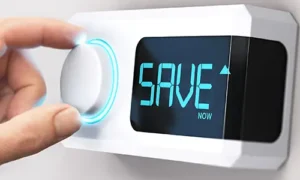
A dual fuel heat pump pairs an electric heat pump with a gas furnace, and the thermostat picks whichever one’s cheaper for the weather outside. Above a set outdoor temperature, the heat pump runs. Below it, the furnace takes over. That cutoff is the changeover point, and I usually see it between 30 and 35 degrees, depending on your gas and electric rates.
You also get a built-in backup. If the heat pump quits on a freezing night, the furnace can carry the house. One caveat: a power outage takes out both sides, because the blower and controls still need electricity. Setting the changeover takes a tech about 20 minutes. Guessing at it can cost you a whole winter of higher bills.
Is a Dual Fuel Heat Pump Worth the Extra Money?
It costs more up front than either system alone, since you’re buying both pieces. The gap shrinks fast if your AC and furnace are both near the end anyway. A straight swap usually runs a day or two.
Where it pays off is the swing. Plano winters bounce from the 60s to the teens inside a week, so you use both halves of the system in the same season. Where it doesn’t: a small, tight house that rarely sees a hard freeze may never lean on the furnace much, and a heat pump alone could do fine. I’ll tell you that at the kitchen table before I sell you anything.
Talk to Someone Before You Buy
If you’re replacing equipment or doubting your current setup, our dual fuel heat pump services in Plano cover the install and the changeover settings. Wait too long and you’re shopping on the coldest night of the year. Wire or set it wrong yourself and the bills show it. Total Air and Heat, Your trusted next-door neighbor for 65 years.
Frequently Asked Questions
Is dual fuel really better than just a heat pump?
In North Texas, usually. A heat pump alone leans on electric strips below freezing, and that’s expensive heat. Dual fuel swaps in the gas furnace for those hours. If your winters stay mild, a heat pump alone can be plenty.
Can I add a heat pump to my old furnace?
Often, yes. If the furnace is in good shape, a dual fuel heat pump setup can pair with it. Past 15 years or so, I’d replace both together. A tech can tell you in one visit.
What temp does it switch to the gas furnace?
Usually around 30 to 35 degrees, but it depends on your equipment and rates. A tech can set it in about 20 minutes. Plano cold fronts can blow past that number overnight, so get it checked before winter.
Do I need a special thermostat?
Yes. A dual fuel heat pump needs a thermostat that controls both heat sources and lets you set the changeover. A basic one can’t. Wiring it wrong is the most common DIY mistake I see, so let a pro handle that part.
What if one side quits on me?
The other one carries the house until it’s fixed. Furnace dies in a mild week, the heat pump keeps you warm. A dual fuel heat pump is a safety net, not a reason to wait on repairs, since running on one side costs more.
And if anybody quotes you a dual fuel system without mentioning the changeover setting, ask about it before you sign.