Why Your AC Smells Musty When You Turn It On After Winter
First warm day of spring, you flip the thermostat over to cooling, and the house fills with that smell. Damp. Stale. Like a basement closet nobody opened all winter.
It’s one of the most common calls HVAC technicians get in April and May. And almost every time, the cause is the same thing: moisture sitting inside a system that went dark for four or five months.
Here’s what’s actually happening inside your unit, and what to do about it.
Moisture Is the Root of the Problem
Your AC doesn’t just cool air. It pulls moisture out of it. The evaporator coil inside your air handler gets cold during operation, humidity condenses on it, and that water drains away through a small pipe called the condensate line.
When the system shuts down for winter, that process stops. Any moisture left inside the cabinet has nowhere to go. Dust settles into it. And over weeks and months, that combination becomes a breeding ground for mildew.
Come spring, when the fan kicks on and pushes air across that coil, you get the musty smell delivered straight into your living room. Every vent. Every room.
It doesn’t take visible mold for this to happen. A thin film of mildew on the coil surface is enough to make a whole house smell off.
The Evaporator Coil Is Usually Where It Starts
The coil is the coldest surface in the system, which makes it the first place moisture collects. During months of inactivity, fine dust settles onto it. Add residual humidity and you have exactly the right conditions for that musty odor to develop.
What surprises most homeowners is how little buildup it takes. A coil can look almost clean visually and still carry enough microbial growth to produce a noticeable smell the moment air starts moving across it. It’s not always dramatic. Sometimes it’s just a thin film. But thin is enough.
Cleaning the coil is typically the fix. In most systems, that means a technician visit since the coil sits inside a sealed cabinet, but it’s a straightforward job and usually resolves the smell immediately.
The Drain Line Deserves a Look Too
The condensate line is easy to overlook because it’s just a small PVC pipe tucked out of sight. But if algae or debris partially blocks it over the off-season, water backs up into the drain pan and sits there.
Stagnant water in a warm, enclosed space becomes musty fast. By the time you turn the system on in spring, there’s already something unpleasant waiting at the air handler. The fan blows across the pan, picks up the odor, and distributes it through the ductwork.
A quick flush with diluted bleach or a commercial condensate cleaner clears it out. If the line is fully blocked, the pan may overflow, which creates a separate problem worth catching early.
Filters Aren’t the Cause, But They Make It Worse
A clogged air filter won’t generate a musty smell on its own, but it changes how air moves through the system. When airflow is restricted, moisture lingers inside the air handler longer than it should. That extended exposure gives mildew more opportunity to grow on the coil and in the drain pan.
There’s also the straightforward issue of a dirty filter just recirculating whatever smell is already in the system more aggressively. If you haven’t swapped the filter since last fall, do that first. It takes two minutes and costs almost nothing.
Ductwork Is Less Common, But Worth Knowing
In older homes, especially those with ducts running through attics or crawlspaces, the ducts themselves can pick up humidity over winter. Gaps or poorly insulated sections act like sponges, and when the system starts pushing air through again, that musty smell rides along.
This is the right diagnosis less often, but it does happen. If you’ve cleaned the coil, flushed the drain, and replaced the filter and the smell persists, the ductwork might be worth inspecting. Sealing leaks and improving insulation solves the underlying issue.
What to Actually Do About It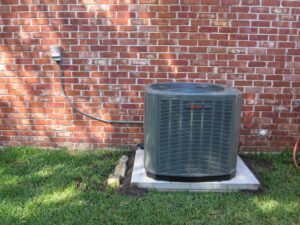
Start simple:
Replace the air filter. If it’s gray and dusty, it needs to go. Clean filter, better airflow, less opportunity for moisture to accumulate inside the unit.
Get the evaporator coil cleaned. This is the most direct fix for a musty smell after winter. A technician can clean it properly without damaging the fins, and it makes a noticeable difference.
Flush the condensate drain line. Clear the algae, let the pan dry, and verify the water drains freely before the heavy cooling season starts.
Run the fan for a stretch after cleaning. It helps dry out any residual moisture inside the air handler.
Schedule a spring tune-up before you actually need the system. A maintenance visit in late March or early April catches all of this before the first hot day. It’s easier to fix when you’re not sweating through it.
Frequently Asked Questions
Why does the musty smell only happen when I first turn the AC on?
Because the system sat idle long enough for moisture and dust to combine inside the coil or drain pan. Once it’s been running for a while and things dry out, the smell sometimes fades. But if mildew is present, it usually comes back the next time conditions are right.
Will the smell go away on its own if I just run the AC?
Sometimes it fades after a few hours, but that’s not the same as being gone. If mildew is on the coil or in the pan, running the system without cleaning it just keeps circulating the musty air. The fix is removing the source, not waiting it out.
Can the smell be coming from the ducts rather than the unit itself?
It’s possible, particularly in homes with older ductwork or ducts that pass through humid spaces. But the evaporator coil and drain pan are more likely culprits. Start there before calling for duct cleaning.
Is a musty AC smell something I should worry about health-wise?
In small amounts, it’s unpleasant but not typically hazardous. A strong or persistent smell, or one that keeps returning after cleaning, is worth having someone inspect. Ongoing moisture problems can allow mold to spread further into the system.
How often should I service the AC to keep this from happening?
Once a year is the standard, and spring is the right time for it. A pre-season check covers the coil, drain line, filter, and airflow before you’re actually depending on the system.
The smell isn’t random, and it’s not a sign your system is failing. It’s just what happens when air, moisture, and inactivity share the same space for a few months. Clean the right components and it goes away. Schedule that maintenance before the first real heat of the year and it may not come back at all.