Every year, as soon as the mornings start to feel crisp, I get the same question from homeowners: “Is fall really the best time to schedule mini split maintenance?” My short answer? Yes. My long answer? Absolutely yes—fall is like halftime for your system, and that’s the perfect moment to check in before winter shows up with its icy grin.
Let’s unpack why fall makes so much sense, what happens if you skip it, and how our Total Air and Heat team handles the job.
Why Fall is the Smart Time to Schedule Service
Think of summer like a marathon. Your mini split has been running, often around the clock, fighting the heat and humidity oof storm season . By the time fall rolls in, it’s tired. Fall is the sweet spot—the weather’s mild, the demand for service calls is lower, and you can catch minor problems before they become winter headaches.
Here are a few reasons fall is the ideal time to schedule a checkup:
- Reduced stress on the system: It finally gets a breather so that we can spot wear and tear.
- Flexible scheduling: You’re not competing with neighbors all calling during the first cold snap.
- Lower energy costs: A tune-up before winter keeps the system from straining when it flips to heating mode.
It’s kind of like rotating your tires before a long road trip. Would you risk skipping it?
What Happens if You Put It Off
I’ve seen what happens when people decide “maybe next year.” Spoiler alert: it usually ends with a panicked call in January.
Here’s what skipping fall service can bring:
- Clogged filters that choke airflow and skyrocket energy bills.
- Undetected refrigerant leaks that turn into compressor damage.
- Drain line clogs that cause water to leak inside.
- Sudden breakdowns during the coldest week of the year—when repair slots are booked solid.
Skipping the right time to schedule maintenance doesn’t save money. It pushes costs down the road, where they usually multiply.
When to Call for Professional Help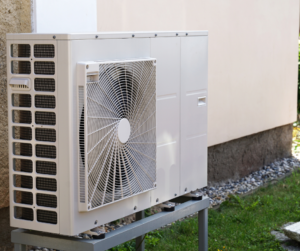
So what’s worth a DIY effort, and when should you call us? Here’s a list that makes it simple:
- Weird noises: Grinding, rattling, or buzzing that wasn’t there before.
- Weak airflow: If cleaning the filter doesn’t fix it, the issue is deeper.
- Water leaks: Any drip inside the home calls for immediate attention.
- Mode problems: If the system won’t switch from cooling to heating.
- Unusual odors: Musty smells could mean mold in the drain line. Burning smells could mean electrical damage.
- Spike in bills: If your energy costs jump for no clear reason.
That’s where our Eagle-Eyed Techs step in. We catch the small stuff before it balloons into a budget-busting repair.
What We Do During Fall Maintenance
People sometimes ask, “So what exactly happens during a service visit?” Here’s a quick walkthrough of what we cover in our fall Tip Top Tuneup:
- Inspect outdoor unit: We clear debris, check coils, and make sure the fan spins smoothly.
- Test electrical systems: Power surges from summer storms leave scars—we check all connections.
- Clean or replace filters: Airflow depends on this step, and it’s often overdue.
- Flush drain lines: Prevents water from backing up and dripping inside.
- Check refrigerant levels: Low levels make the system strain, so we fix leaks if we find them.
- Run performance tests: We confirm both cooling and heating modes are reliable.
- Walk you through results: No jargon, no mysteries—just a clear rundown of what’s working and what isn’t.
That’s our way of saying our only way is all the way. We don’t stop halfway when it comes to your comfort.
Prevention Habits Between Visits
While professional service is the backbone, there are everyday habits that help cut down on issues:
- Clean indoor filters every three to four weeks during heavy use.
- Keep plants, shrubs, and yard debris at least two feet away from the outdoor unit.
- Use a surge protector to guard against electrical spikes.
- Watch for signs of clogged drains—like water spots near the unit.
- Check your thermostat batteries every season (yes, sometimes it’s that simple).
By sticking to these, you stretch the time between repairs and keep the fall time to schedule tune-up short and smooth.
Wrapping It Up
So, is fall the best time to schedule mini split maintenance? Without a doubt. You’re giving your system a breather after summer, preparing it for winter, and catching problems when they’re cheaper to fix.
At Total Air and Heat, we’ve been your trusted next-door neighbor for 65 years. Our customers know that we’re not comfortable until you are. If your mini split is due for care—or if you just want peace of mind before winter rolls in—give us a call.
Fall may bring football, pumpkin spice, and shorter days, but it’s also the best season to give your system some love. Let’s keep your home comfortable year-round.