Why Won’t the Pilot Light Stay Lit?
You hold the button down, watch the flame catch, let go and it’s out again. Or it burns fine all evening and quits sometime after midnight, which you find out about standing in a cold shower before work. Relighting it a fourth time isn’t going to change anything. Something in that system is telling the gas valve to shut off, and it’s almost always one of a handful of causes.
Start with the thermocouple
Nine times out of ten, this is your part. The thermocouple is a thin copper rod that sits directly in the pilot light flame. Heat makes it generate a tiny electrical current millivolts, not much and that signal is the only thing telling the gas valve it’s safe to keep fuel flowing. Soot up the tip or let the rod age out, and the signal weakens. The valve does exactly what it was built to do and closes.
Here’s the tell. If the flame dies within a few seconds of you releasing the control knob, look at the thermocouple first. If it burns twenty minutes and then quits, that’s a different conversation entirely.
I swapped one last spring in a west Plano home where the tank was fourteen years old and the tip had gone black. Most techs need 45 minutes to an hour and a half for that job. Cleaning the rod sometimes works, but on one that old you’re buying a few months, not a fix.
Why garage installations cause trouble
Most Plano homes keep the tank in the garage, and that’s a rougher environment than an interior closet. Gas appliances out there have to be installed with the ignition source raised 18 inches off the floor so gasoline vapor stays away from the flame. That platform also parks the burner compartment right in the path of every bit of dryer lint and dust the garage door stirs up.
Then there’s the pilot tube. Mud daubers and spiders like a warm, narrow opening, and even a partial blockage starves the pilot light down to a lazy yellow flicker that can’t put heat on the sensor.
Drafts do it too. A homeowner off Custer Road called after a windy March stretch, and it turned out a newly installed bathroom exhaust fan was pulling enough air through the utility area to destabilize the pilot light every time it ran. Took longer to find than to fix.
What you can check yourself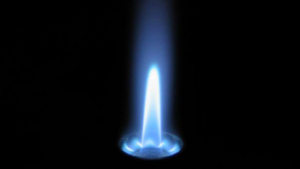
Before you call anyone, a few things are worth a look. Make sure the gas shutoff at the tank is fully open it gets bumped during garage cleanouts more often than you’d think. Check the flame color through the sight window; blue means clean combustion, yellow or orange means something’s restricted. And read the lighting instructions printed on the side of the unit exactly as written, because the sequence varies by manufacturer and people skip the purge step constantly.
That’s about the limit of safe DIY. If the pilot light won’t hold after two honest attempts, stop. Repeated relighting on a failing valve accomplishes nothing but wearing you out. And if you smell gas at any point, get outside, leave the door open, and call from there don’t flip any switches on your way.
When the part isn’t worth replacing
Our water here runs hard, and over a decade that mineral load settles into the bottom of the tank as a sediment crust. It insulates the water from the burner, so the burner runs longer and hotter, which is punishing on every component sitting under there including the one keeping your pilot light stable. That’s why repeat pilot light failures on a twelve- or fifteen-year-old unit usually aren’t really about the part you just paid to replace.
Run the numbers before you spend. A thermocouple in March and a gas valve in August on an aging tank is money you’d rather have put toward a replacement. Plano also requires a permit and inspection for a changeout, which is a good thing when gas piping and venting are involved.
Not every old tank needs to go, though. If it’s holding temperature fine and this is the first real problem it’s given you, fix it and move on.
Get it diagnosed before you’re out of hot water for good
A unit that keeps dropping its flame is often venting poorly or burning rich too, and neither of those improves on its own. Our techs will test gas pressure and check the sensor output against spec, then tell you straight whether you’re looking at a repair or a replacement. We’re Not Comfortable Until You Are, and that starts with hot water that stays hot.
FAQ
Why does it only stay lit while I’m holding down the button?
That’s the classic thermocouple signature. Holding the knob manually feeds gas to the pilot light. The second you let go, the valve wants proof of flame from the sensor, doesn’t get a strong enough signal, and shuts down.
Can I clean the thermocouple myself?
You can, gently, with a fine emery cloth. It works often enough to be worth trying. But if you have to do it twice in a season, the rod’s telling you it’s done and needs replacement instead.
My flame is yellow instead of blue is it a bad sign?
Yes, get it looked at. Yellow means incomplete combustion, usually from a restricted air path or a dirty burner. It also means the flame isn’t putting proper heat on the sensor, which is why the thing keeps dying.
Is it actually dangerous when the pilot light keeps going out?
The safety valve is designed to cut gas when it can’t confirm flame, so the shutdown itself is the system working. The concern is what’s causing it a venting or combustion problem needs eyes on it.
Do I need a permit to replace a water heater in Plano?
Yes, and an inspection with it. Any licensed contractor pulls that for you as part of the job. If someone offers to skip it to save you a little money, that’s a reason to call someone else.
Keep the manual handy if you’ve still got it, and don’t spend your Saturday crouched in front of that thing one diagnostic visit will tell you more than six relight attempts ever will.